Recipe Library
Discover curated recipes from around the world and community creations
Sign in to fork recipes to your library
Popular Recipes
Browse by Region
All Recipes
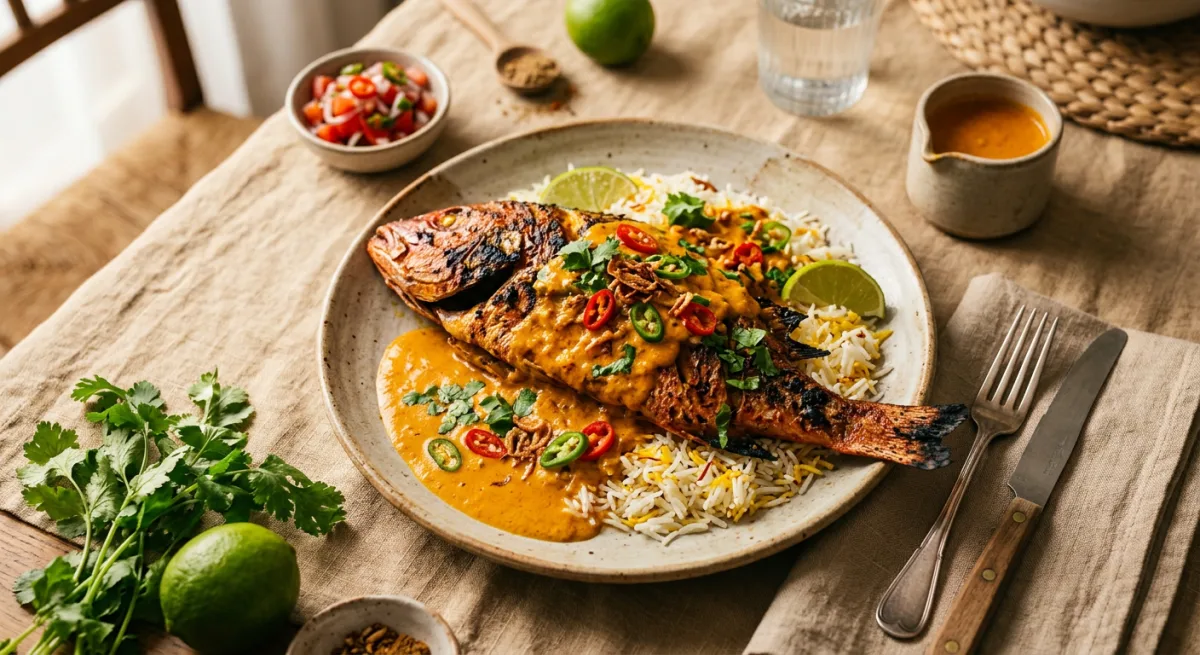
Samaki wa Kupaka
A rich and aromatic Swahili fish curry from the East African coast, featuring tender fish simmered in a creamy coconut sauce spiced with cardamom, cinnamon, and curry powder. This beloved dish represents the Indian Ocean's culinary fusion heritage.
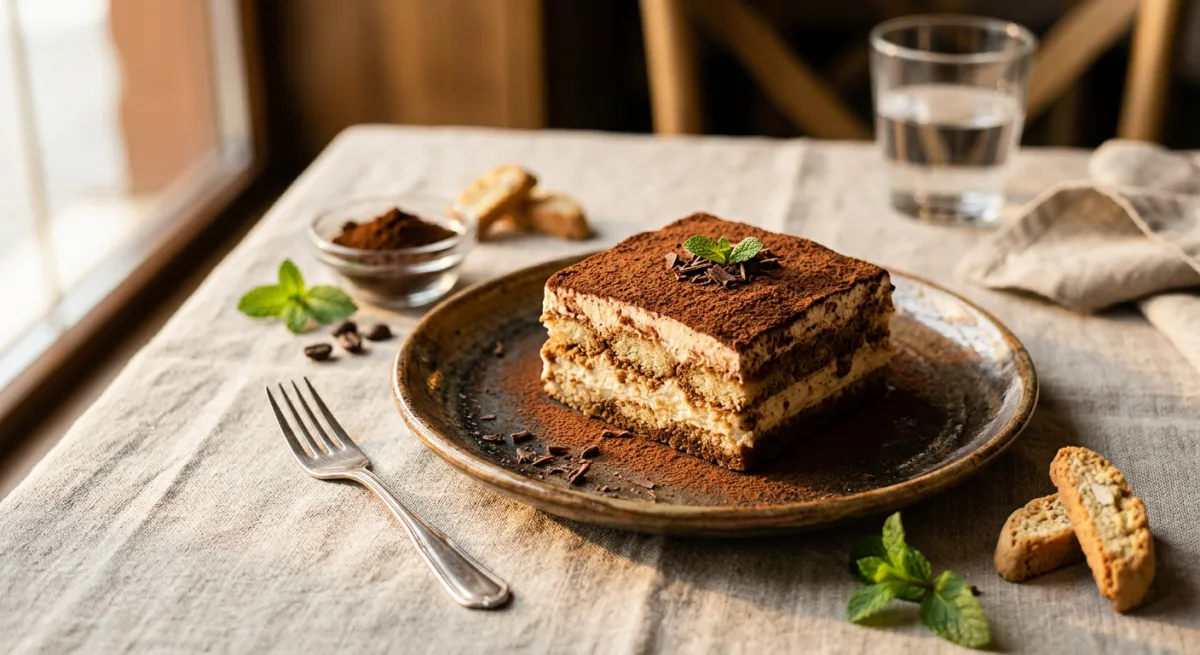
Tiramisu
A classic Italian dessert featuring layers of coffee-soaked ladyfingers and rich mascarpone cream, dusted with cocoa powder. This elegant no-bake dessert originated in the Veneto region and literally means 'pick-me-up' in Italian.
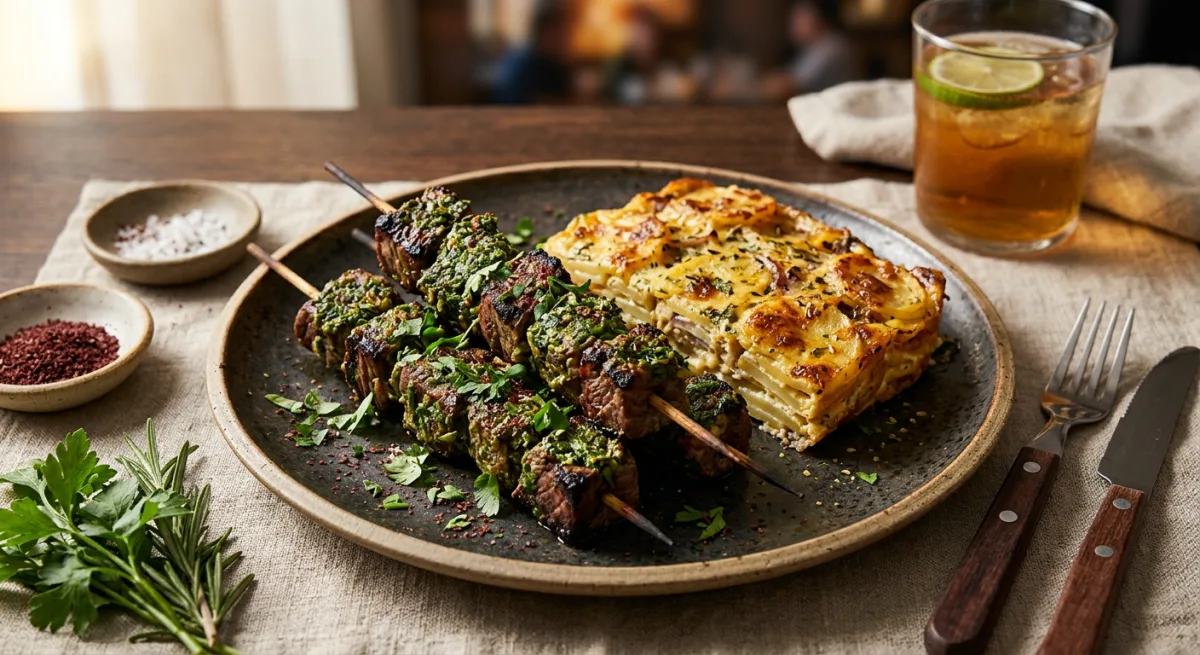
Herb-Crusted Mishkaki with Potato Gratin Mayai
Traditional mishkaki beef coated in a crust of herbs de Provence and East African spices, served with a creative potato gratin that incorporates scrambled eggs between layers. The presentation borrows from French bistro style while maintaining the dish's hearty, comforting essence.
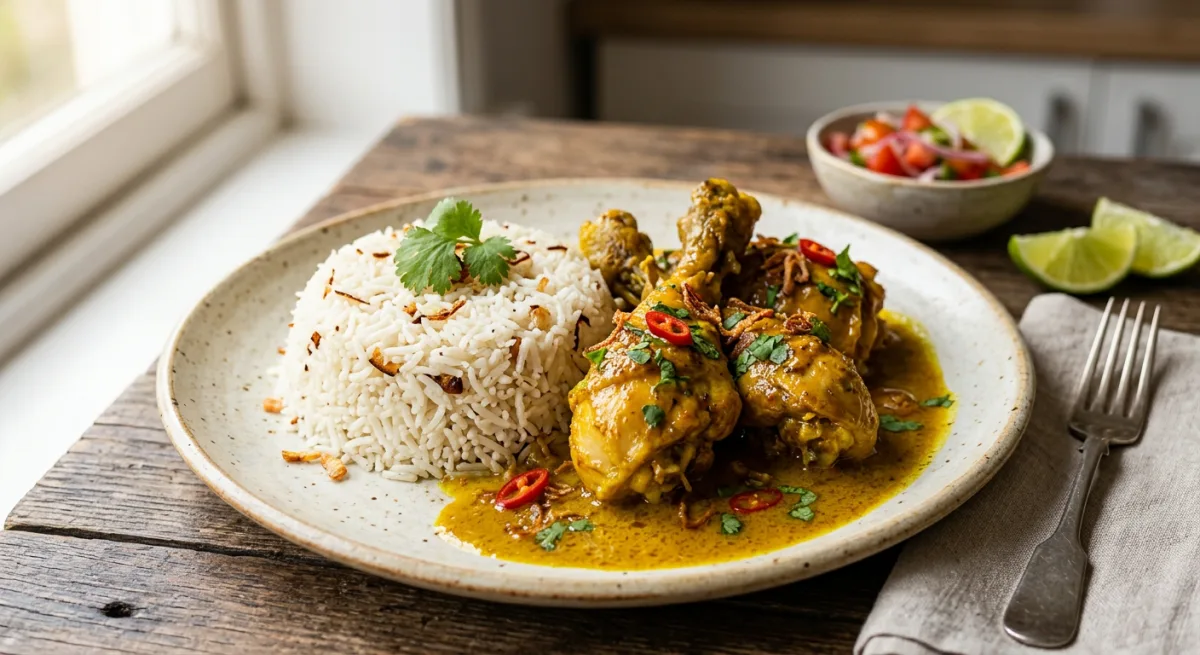
Wali wa Nazi na Kuku wa Kupaka
Fragrant Zanzibar coconut rice cooked in rich coconut milk and pandan-scented steam, paired with tender chicken simmered in a golden sauce of turmeric, garlic, and fresh coconut milk. This beloved coastal staple captures the soul of Swahili home cooking — warming, aromatic, and deeply satisfying. Every grain of rice absorbs the sweetness of coconut while the chicken develops a silky, spiced glaze.
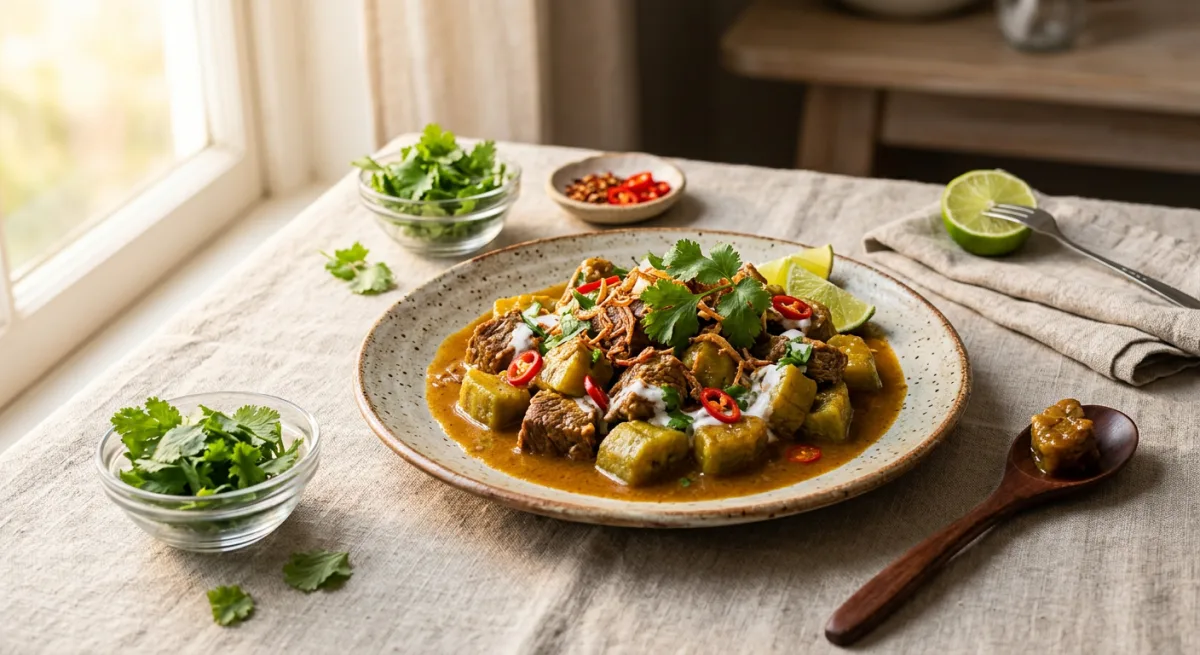
Thai-Spiced Ndizi Nyama
Traditional ndizi nyama elevated with Thai bird chilies and a fish sauce-spiked coconut broth. The familiar green banana and beef stew gets a bright, spicy makeover while maintaining its hearty soul.
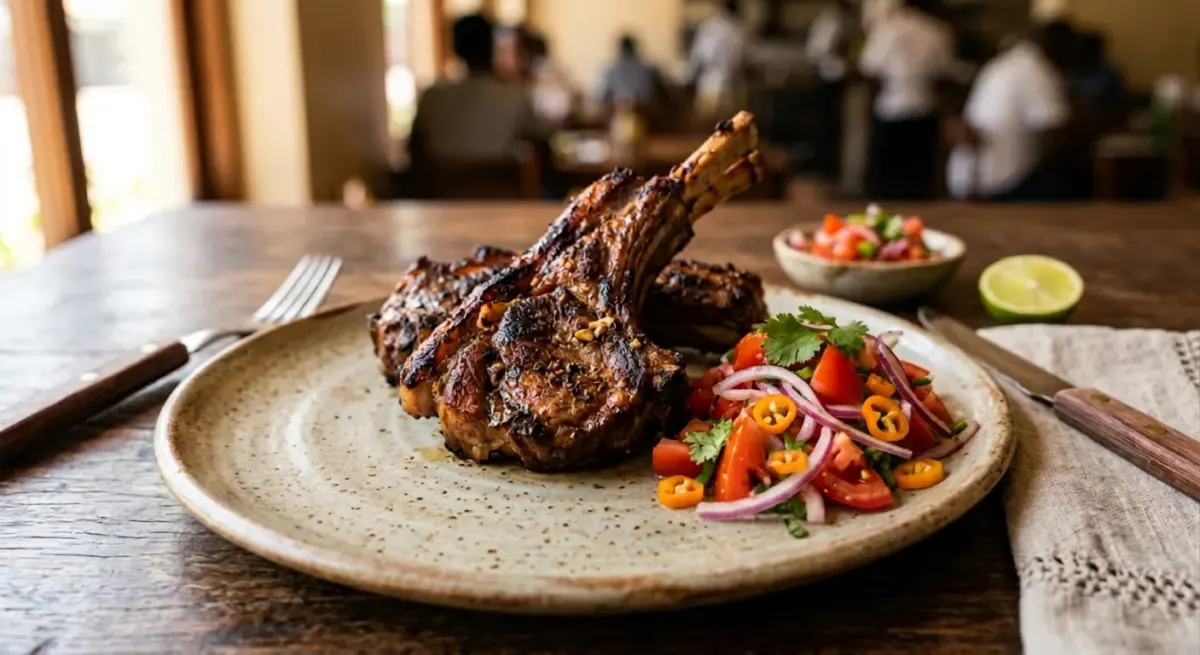
Nyama Choma ya Mbuzi na Kachumbari
Nyama choma — fire-roasted meat — is the cornerstone of East African communal eating, and goat ribs cooked over wood coals represent its most prized expression. The ribs are marinated in a punchy blend of garlic, lime, and chili, then charred over intense heat until the exterior is deeply caramelized and the interior is succulent and smoke-perfumed. Kachumbari, the brilliant sharp salsa of raw tomato, red onion, fresh cilantro, and lime, cuts through the richness with every bite — it is indispensable.
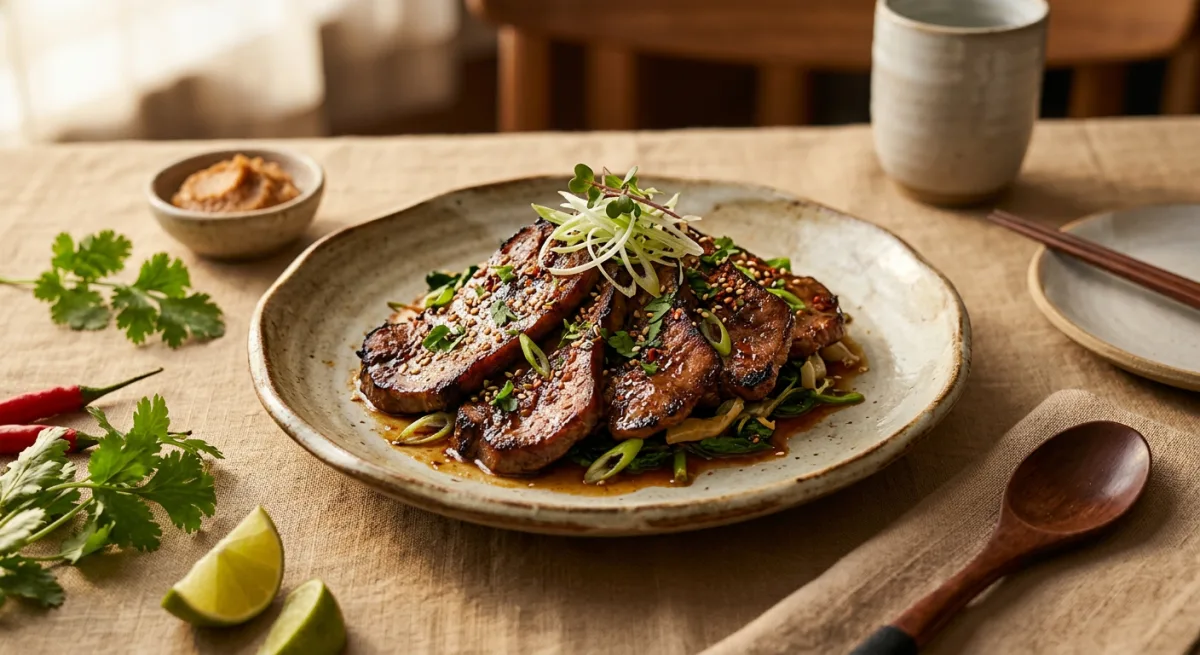
Miso-Glazed Grilled Beef Tongue
Traditional braised beef tongue elevated with a subtle miso glaze applied during grilling. The fermented soybean paste adds umami richness that complements the tongue's natural flavors while maintaining the classic preparation method.
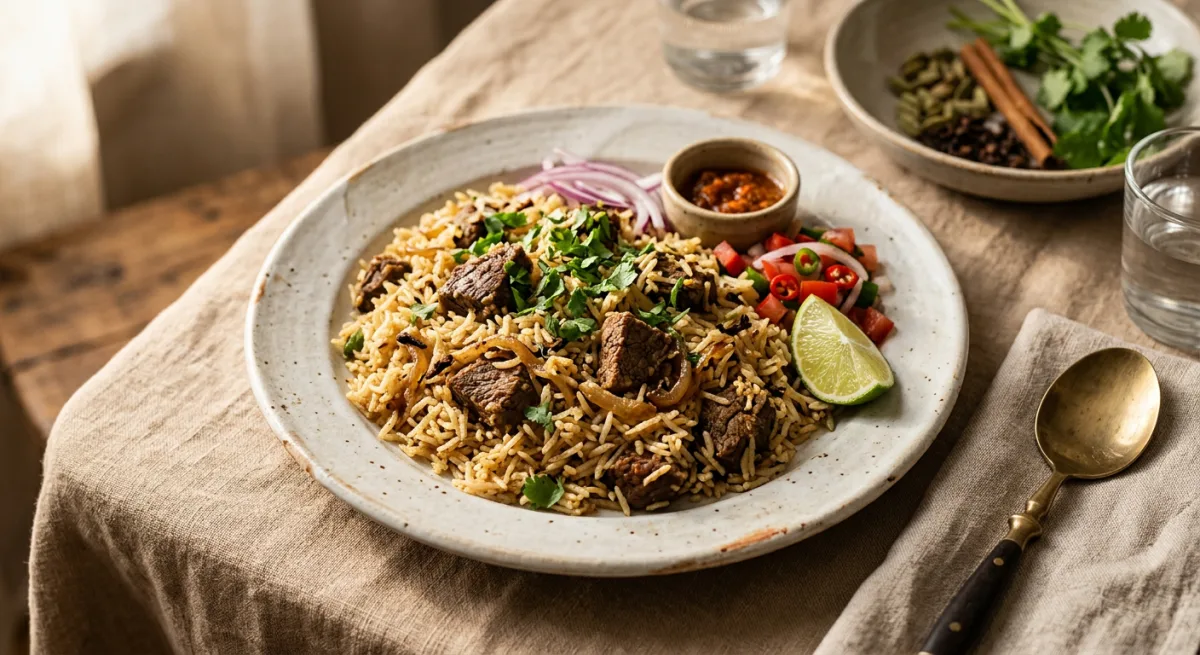
Swahili Pilau
A fragrant and aromatic rice dish featuring basmati rice cooked with beef, onions, and traditional East African spices including pilau masala, cardamom, and cinnamon. This one-pot meal is a staple at celebrations and gatherings.
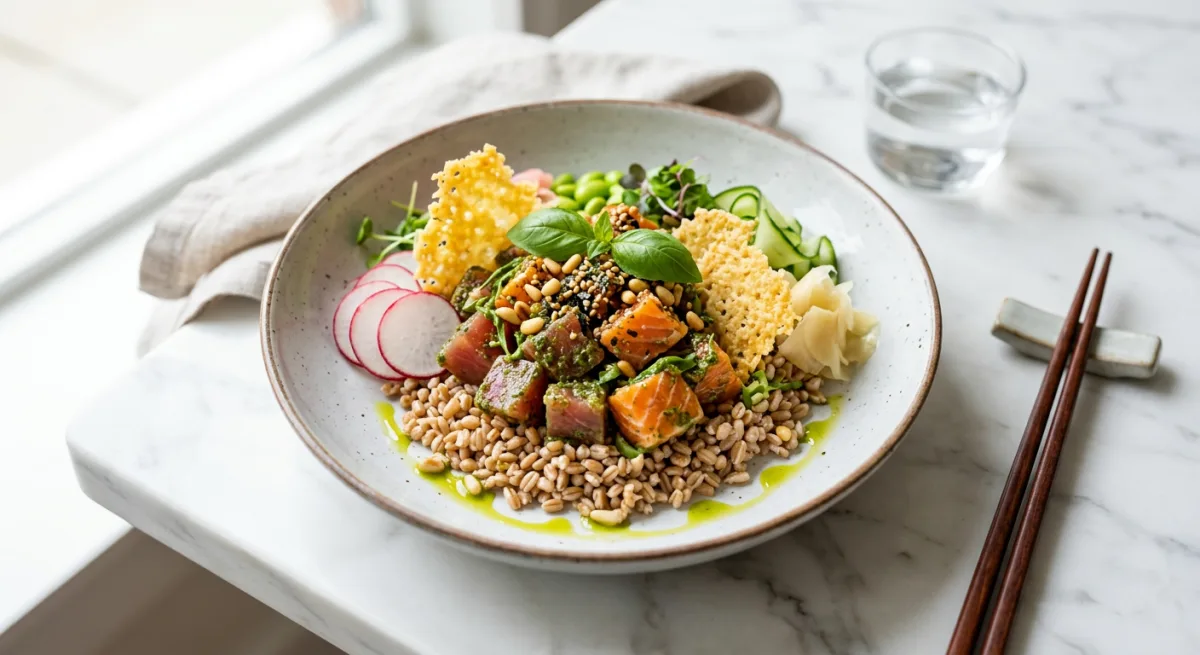
Pesto Genovese Poke Bowl
A bold and joyful East-meets-West fusion bowl where the bright, herbaceous soul of Liguria collides with the clean, raw precision of Japanese poke — silky sushi-grade tuna and salmon cubes marinated in a luscious basil pesto-ponzu dressing that bridges the Mediterranean and the Pacific in a single, harmonious bite. Layered over nutty pearled farro, the bowl is crowned with pine nut furikake, shatteringly crisp Parmigiano crisps, shaved radish, and a final drizzle of lemon-kissed extra virgin olive oil vinaigrette. It is light, deeply flavored, unexpected, and entirely addictive.
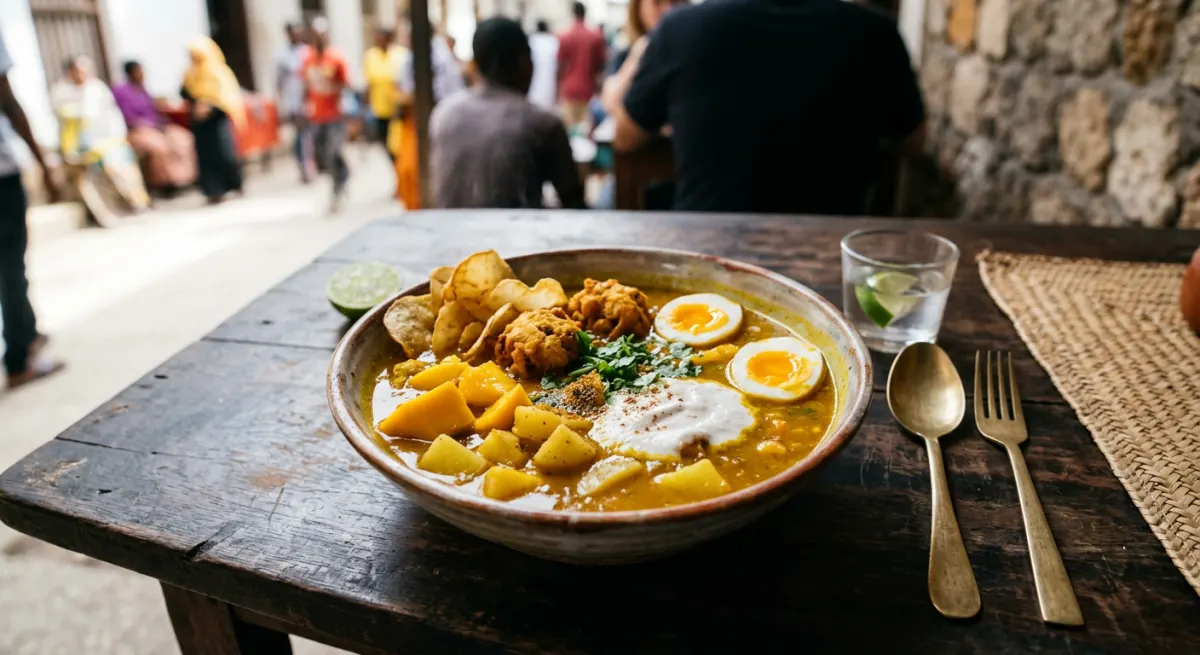
Zanzibar Mix Urojo
Stone Town's legendary street soup — a deeply turmeric-golden, tamarind-soured broth pungent with curry spices, carrying a curated cargo of crispy bhajia fritters, golden cassava chips, halved boiled eggs, ripe mango chunks, and a swirl of cooling coconut chutney. This is the soul of Zanzibar in a bowl: chaotic, vivid, hot, tangy, and utterly irreplaceable.
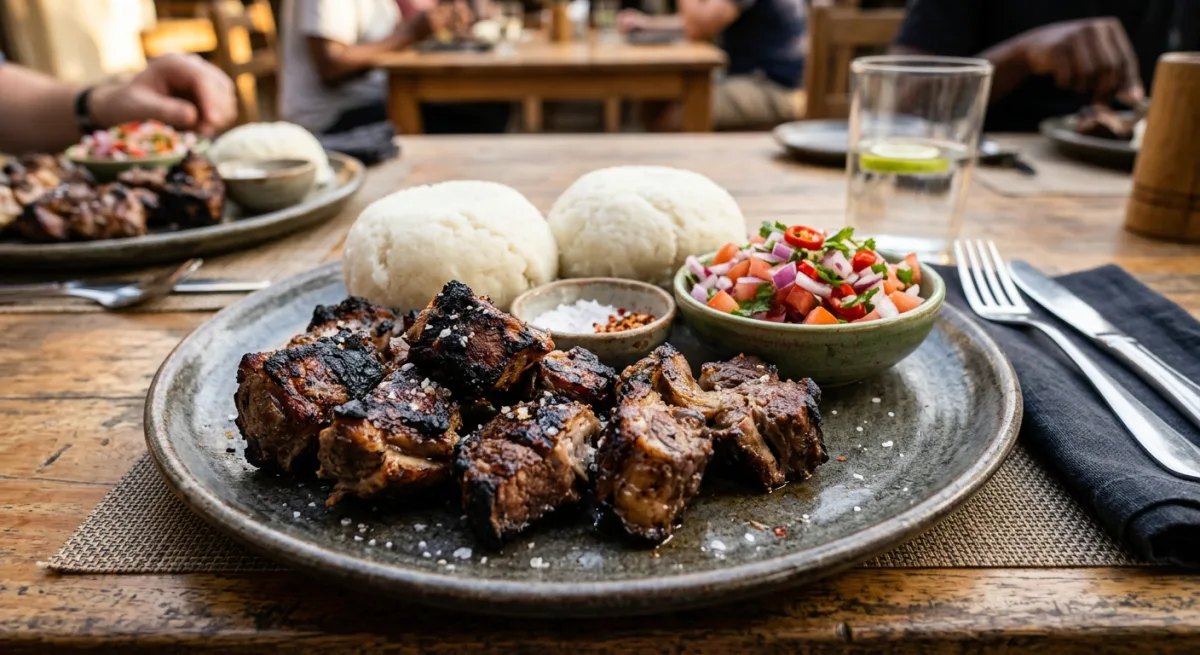
Nyama Choma (Charcoal Grilled Meat)
The soul of Tanzanian celebration — goat or beef kissed by nothing but coarse salt and the slow, patient heat of hardwood charcoal until the exterior is deeply charred and smoky while the interior remains succulent and juicy. This is communal eating at its most primal, served alongside bright kachumbari and pillowy ugali to soak up every drop of rendered fat and smoky juice. A dish that needs no embellishment because the fire itself is the seasoning.
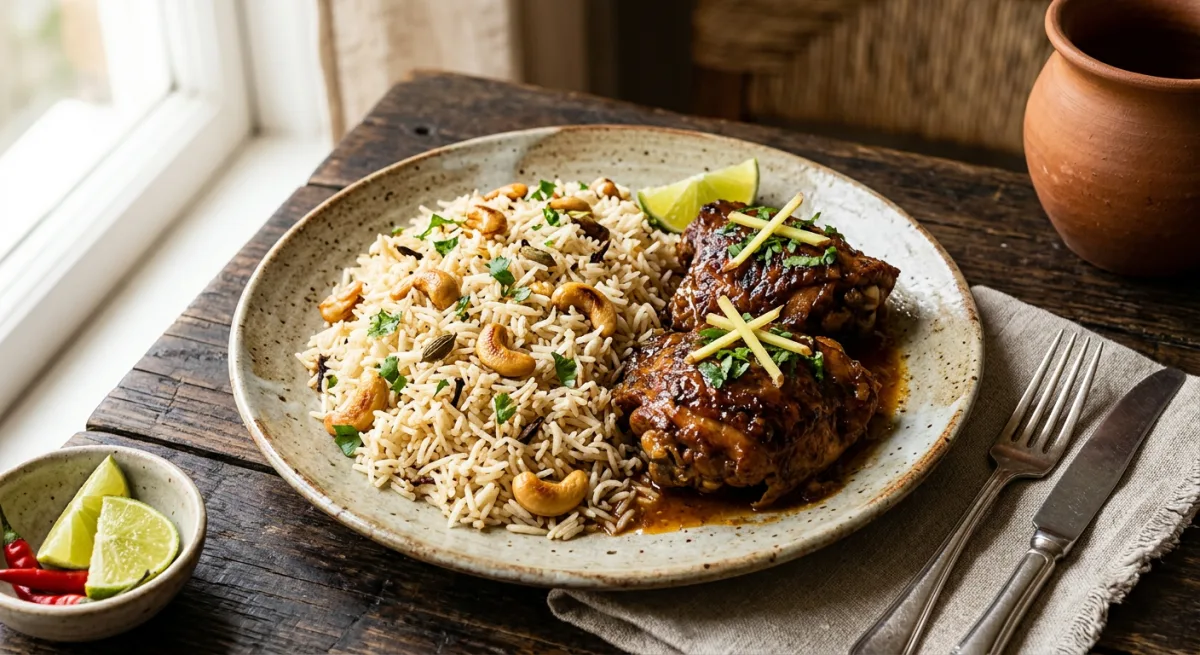
Wali Korosho na Kuku wa Tangawizi
Fragrant basmati rice toasted in clarified butter and studded with golden cashews from the Mtwara coast, paired with tender chicken thighs slow-braised in a ginger-forward pan sauce perfumed with cardamom and fresh lime. A coastal Tanzanian classic elevated with restaurant-grade technique — layered, aromatic, and deeply satisfying.
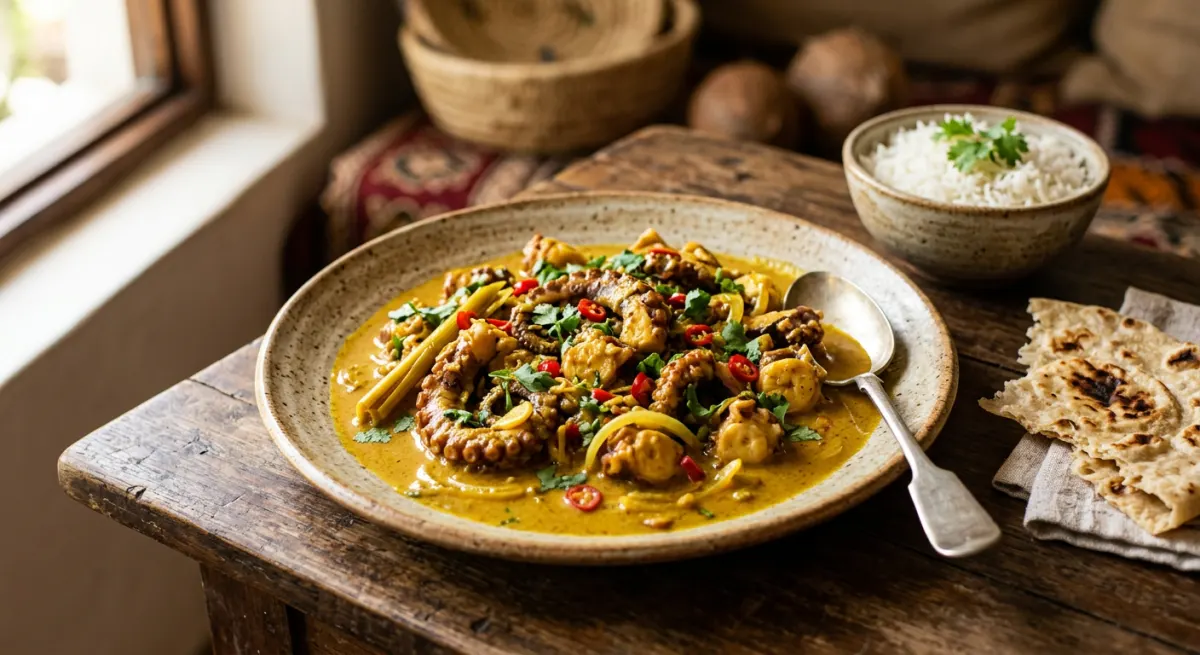
Mchuzi wa Pweza wa Nazi
This extraordinary dish from the fishing villages of Nungwi is a testament to Zanzibar's deep relationship with the Indian Ocean — wild octopus slow-braised until impossibly tender in a lush, sun-golden coconut milk sauce layered with lemongrass, bird's-eye chili, and masses of fresh coriander. The natural brininess of the octopus melds with coconut sweetness into a sauce that demands to be sopped up with flatbread or spooned over rice. It is the dish that stops visitors in their tracks.
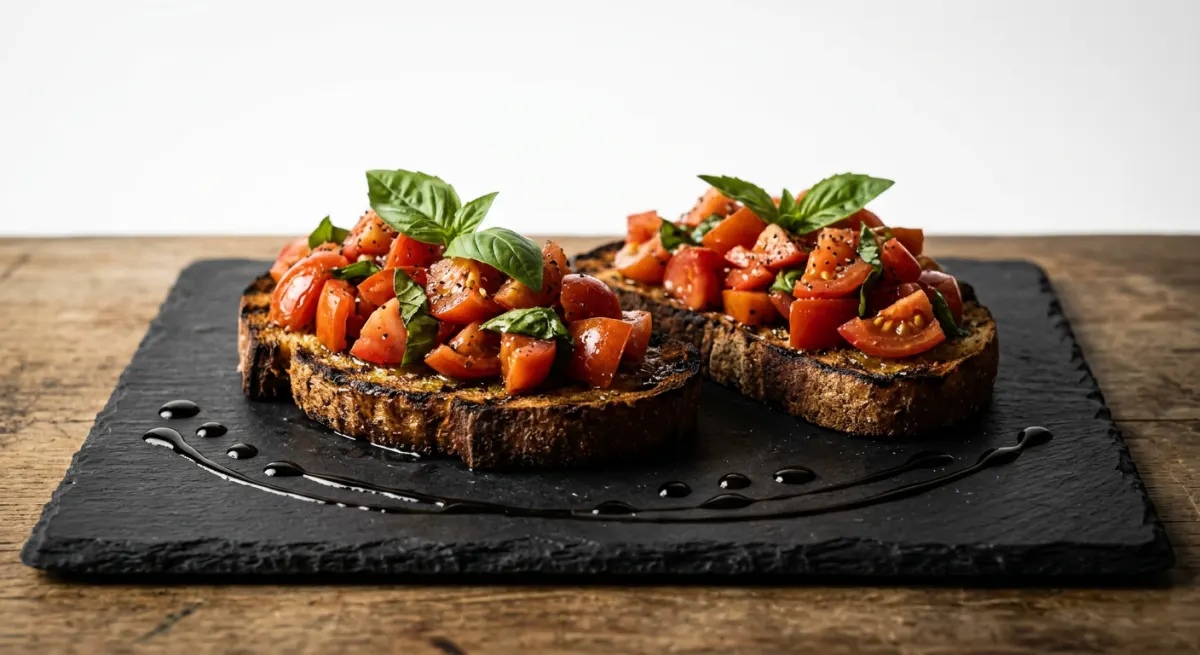
Bruschetta al Pomodoro
The definitive Italian antipasto — thick slices of rustic sourdough or Tuscan bread grilled directly over flame until charred and crunchy, then aggressively rubbed with raw garlic and drenched in peppery olive oil. Piled high with ripe, lightly seasoned summer tomatoes macerated with fresh basil, this is Italian peasant cooking at its most confident and satisfying.
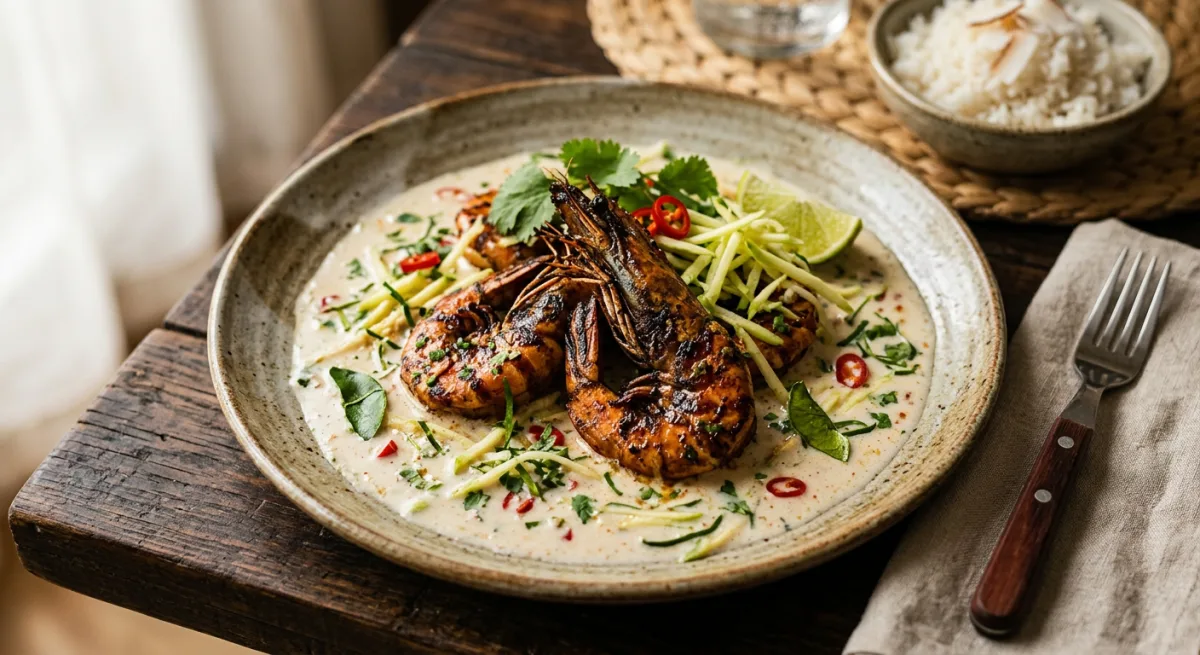
Kamba wa Nazi na Mchuzi wa Embe
Jumbo Tanzanian coast prawns seared in a sizzling spiced brown butter until caramelised and just cooked, then finished in a velvet coconut cream sauce sharpened with grated green mango and the citrus perfume of fresh kaffir lime leaves. Every element of this dish — the butter's nuttiness, the mango's brightness, the coconut's richness — is calibrated for maximum contrast and coastal elegance.
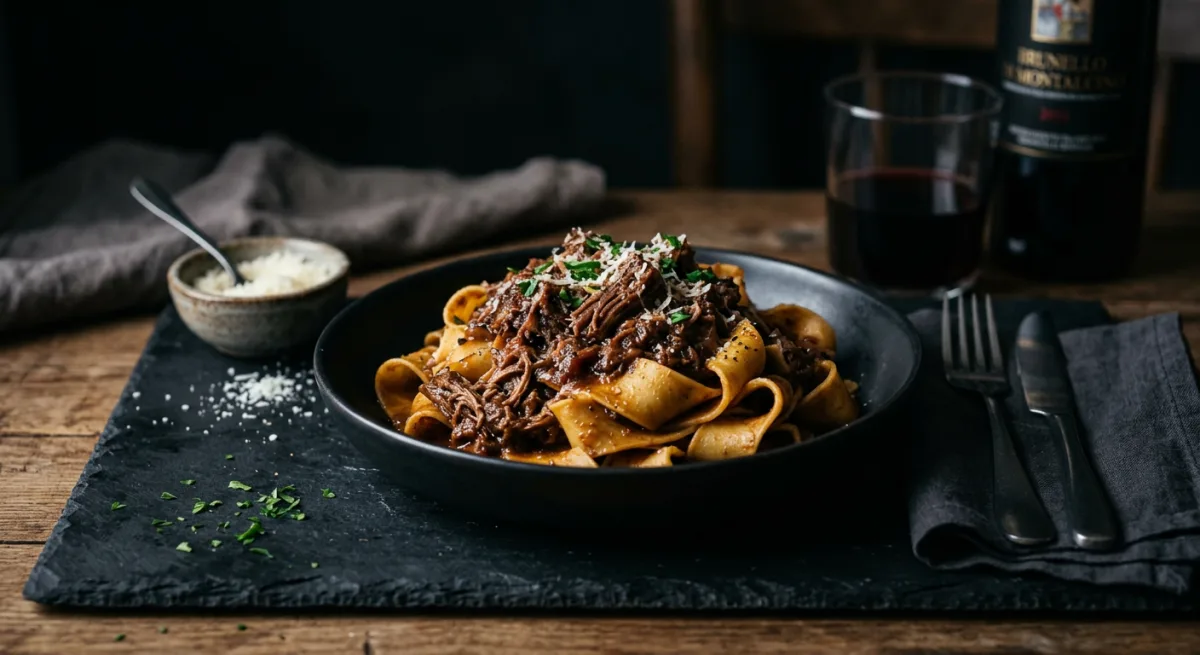
Ragù di Cinghiale su Pappardelle
A triumphant Tuscan wild boar ragù from the Maremma — bone-in boar shoulder braised for six unhurried hours in Brunello di Montalcino with juniper berries, rosemary, black peppercorns, and San Marzano tomatoes until the connective tissue surrenders entirely and the meat becomes an impossibly rich, complex, shredded masterpiece. The wine-dark sauce, deep with game and forest aromatics, is draped over hand-rolled bronze-die pappardelle, their rough surface and wide ribbons capturing every drop of the braise. This is a dish that demands patience and rewards it extravagantly.
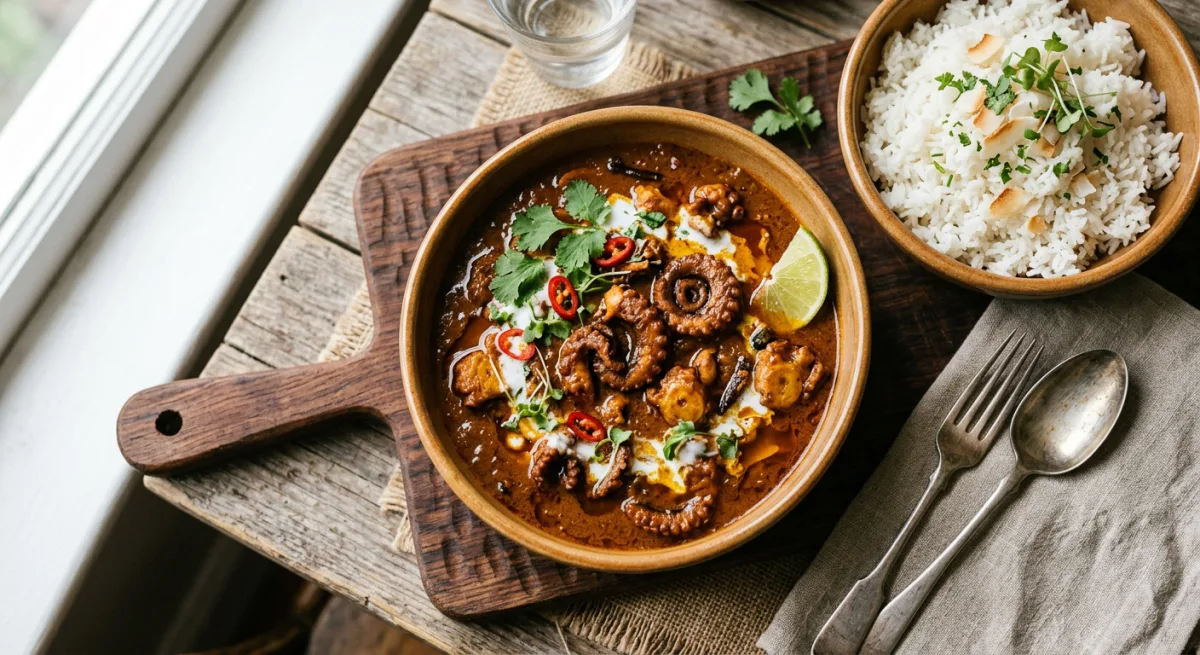
Octopus Coconut Curry
Zanzibar's coastal mastery rendered in a single extraordinary pot — locally caught octopus braised low and slow until each tentacle becomes yielding and butter-soft, suspended in a coconut milk curry enriched with cinnamon, cardamom, fresh turmeric, and tamarind that builds from fragrant sweetness to a smoldering, complex heat. The rendered coconut oil rises to the surface in amber pools as the sauce reduces to a deep, rust-colored gravy that clings to every curl of tentacle. Served over wali wa nazi — coconut rice cooked in the island's own cream — this is the showpiece of Zanzibari coastal cuisine.
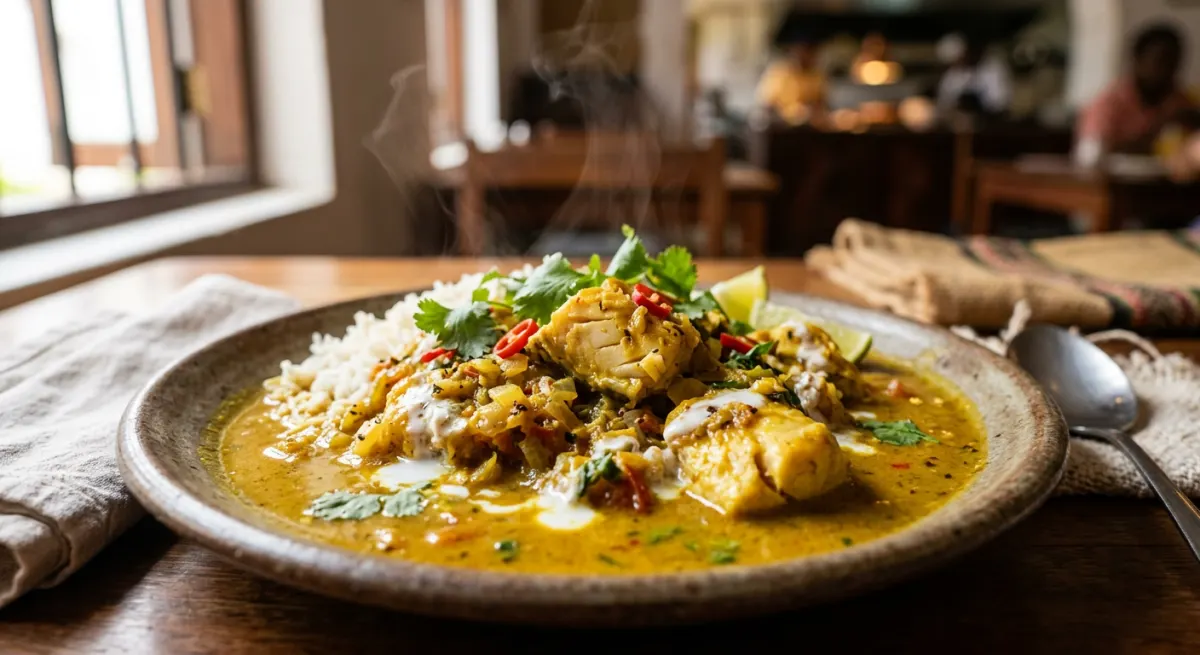
Mchuzi wa Samaki (Coastal Fish Curry)
A masterwork of Swahili Coast cooking — firm white fish fillets simmered in a coconut milk broth that is at once deeply aromatic and bracingly fresh, built on layers of fried onion, garlic, freshly ground spices, and the tart, fruity complexity of tamarind that keeps the richness of the coconut milk perfectly in check. The turmeric gives the broth a golden, sun-drenched colour while the whole spices — cinnamon, clove, cardamom — perfume every mouthful with the legacy of centuries of spice trade. Served over wali wa nazi with the ocean's breeze or in your imagination of it, this is the dish that defines Zanzibari coastal hospitality.
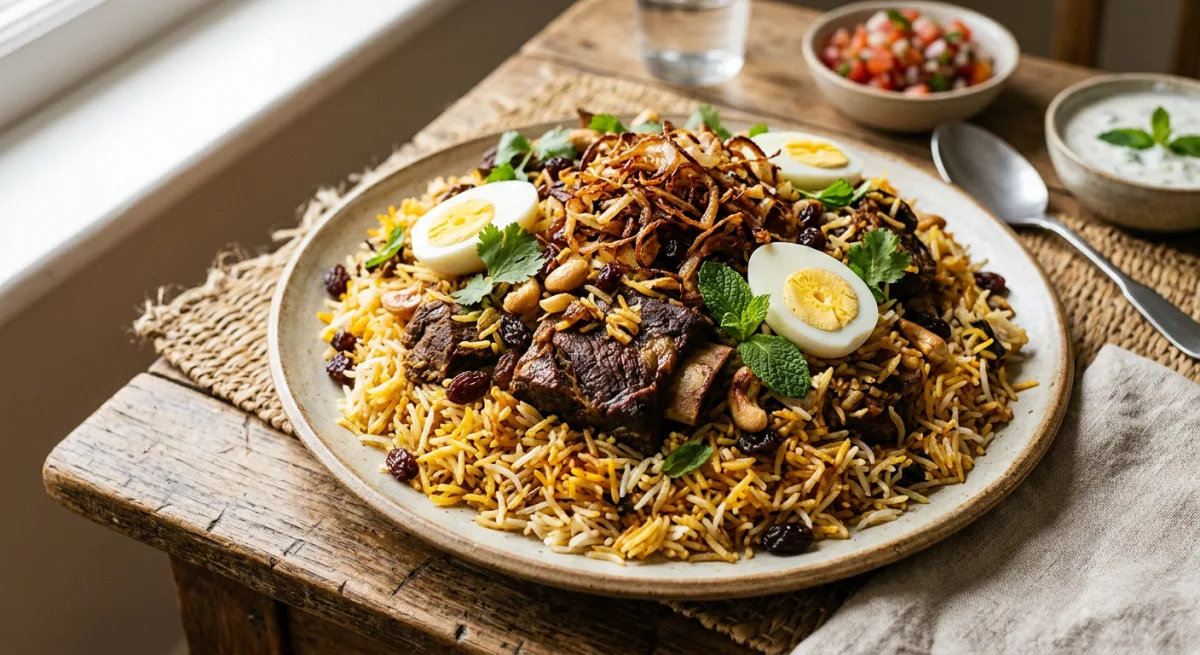
Biryani ya Pwani ya Zanzibar
Zanzibar's coastal biryani is a spectacular layered celebration dish born from centuries of Omani trade and Swahili creativity — fragrant basmati rice stained saffron-gold layered over slow-cooked spiced beef, crowned with crispy fried onions, raisins, and halved hard-boiled eggs. The rice absorbs the complex dum-cooked steam, carrying notes of rose water, cardamom, clove, and ghee into every grain. This is feast food, built for occasions and shared at the table.
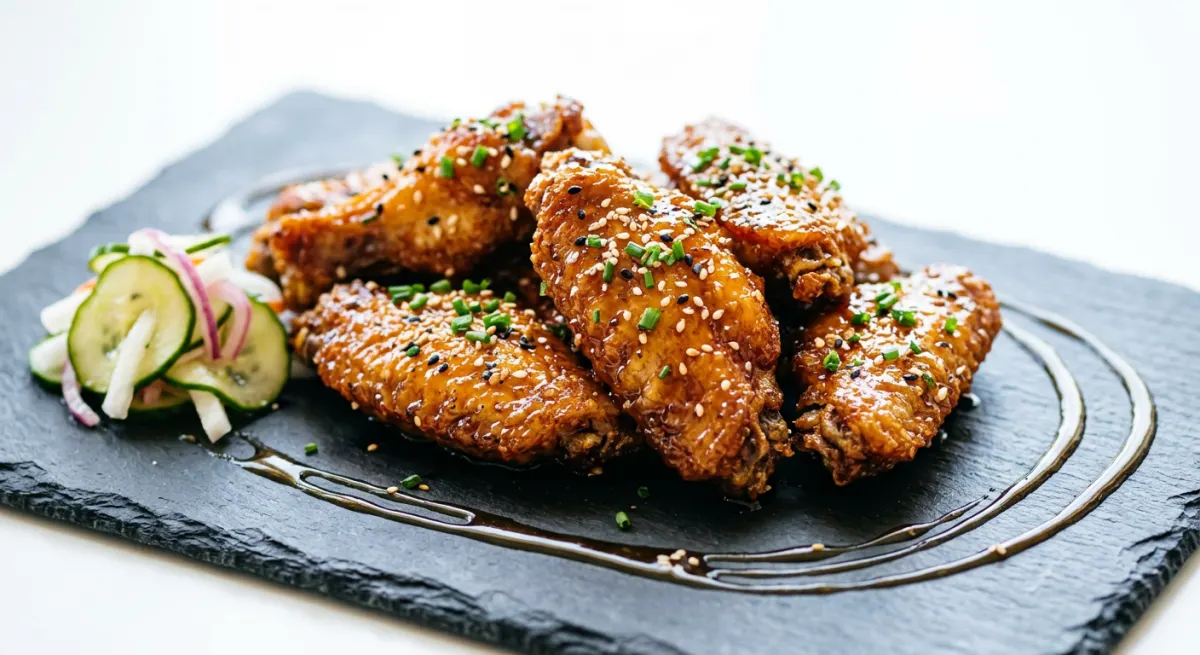
Honey Lemon Chicken Wings
House pickles, Sesame, Spicy Soy & Honey Glaze
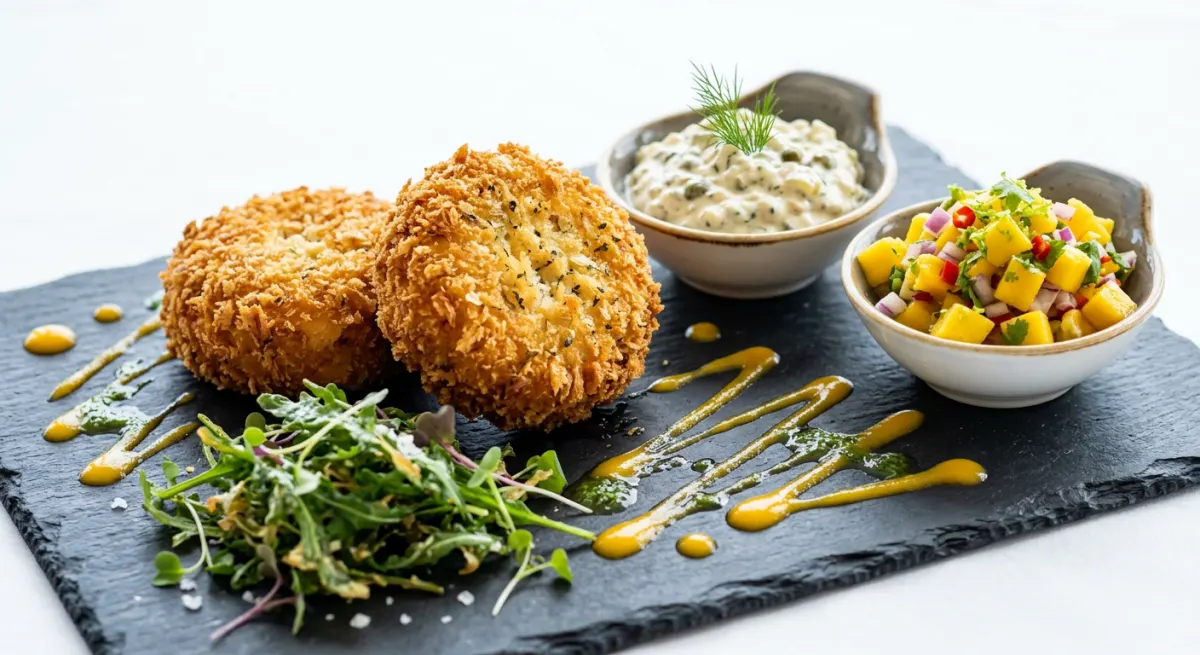
Crusted Fish Croquettes
Island Tartare Dip, Mango Salsa, Fried rocket
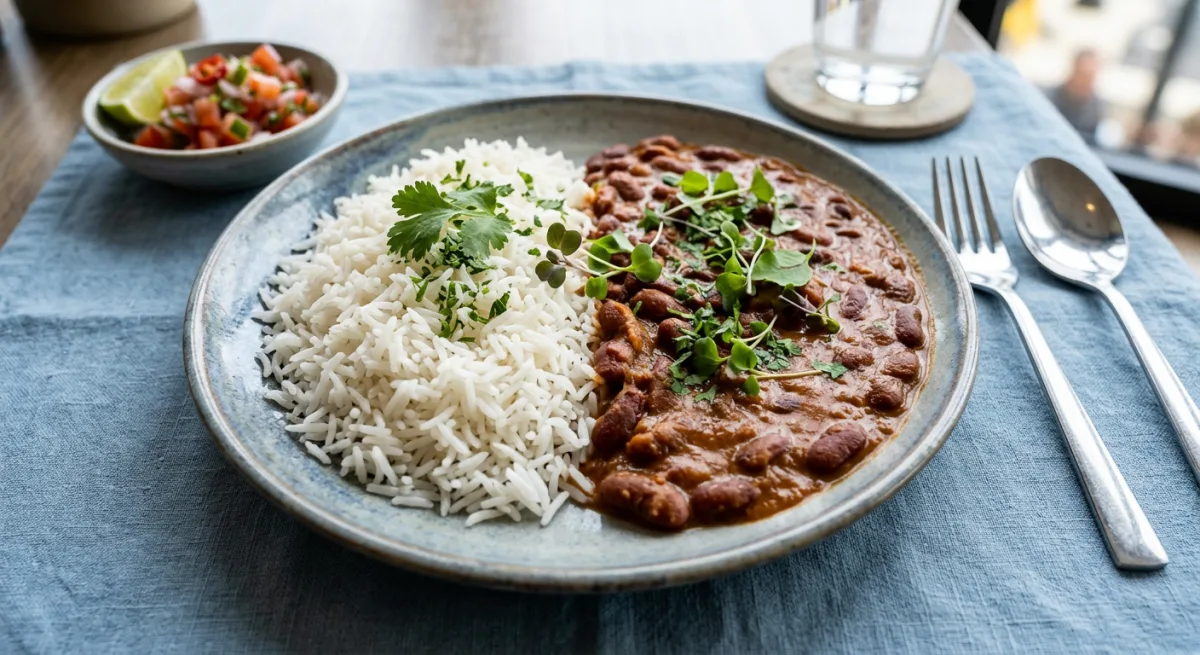
Wali na Maharage (Rice & Coconut Bean Stew)
Tanzania's most beloved daily meal elevated to its finest expression, featuring creamy red kidney beans slow-cooked in rich coconut milk with ripe tomatoes, warm spices, and aromatics. The silky, deeply flavored stew is ladled alongside perfectly steamed long-grain white rice, each grain separate and fluffy, creating a nourishing and complete dish that speaks to the soul of East African home cooking. This is comfort food at its most honest and satisfying.
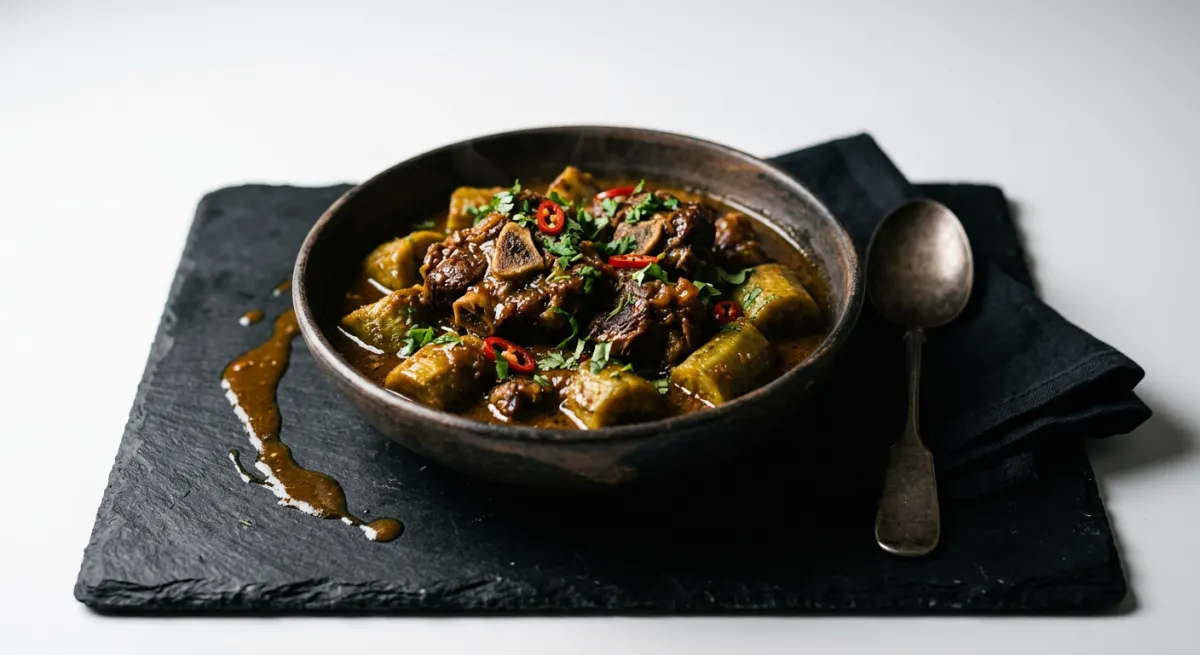
Ndizi Nyama (Plantain & Meat Stew)
One of East Africa's great slow-cooked comfort dishes — bone-in goat braised until the collagen melts into the sauce, then married with firm green plantains that absorb the spiced coconut and tomato broth while releasing their starch to build a glossy, naturally thickened gravy of extraordinary depth. The ginger and ground coriander create a warmth that builds gently, while the coconut milk rounds every edge to a luxurious, silky finish. This is the kind of stew that transforms a humble kitchen into the most important room in the house.
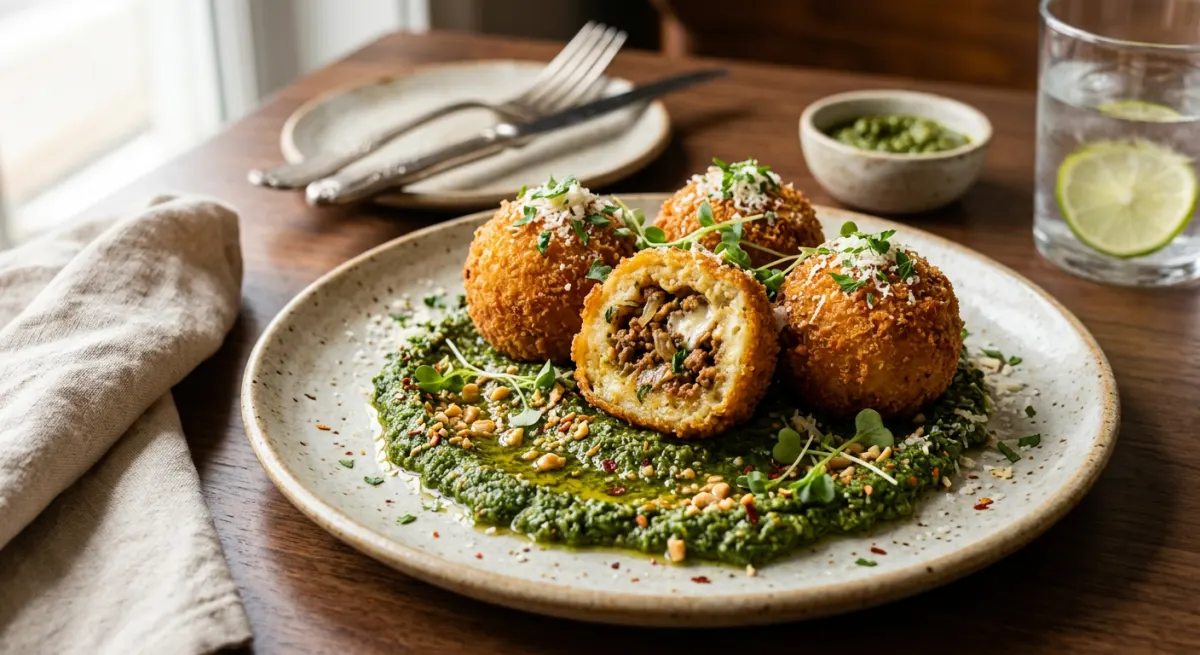
Ugali Arancini with Sukuma Wiki Pesto
A bold and inventive East African-Italian fusion where Tanzania's iconic ugali is reshaped into golden, shatteringly crispy arancini balls, each one concealing a savory filling of warmly spiced ground beef and caramelized onions. Served alongside a vibrant, nutty pesto blended from sautéed sukuma wiki (Tanzanian collard greens), roasted garlic, crunchy peanuts, and bright lime juice — a sauce that is entirely East African in soul. This dish bridges tradition and modernity with confidence and delicious results.
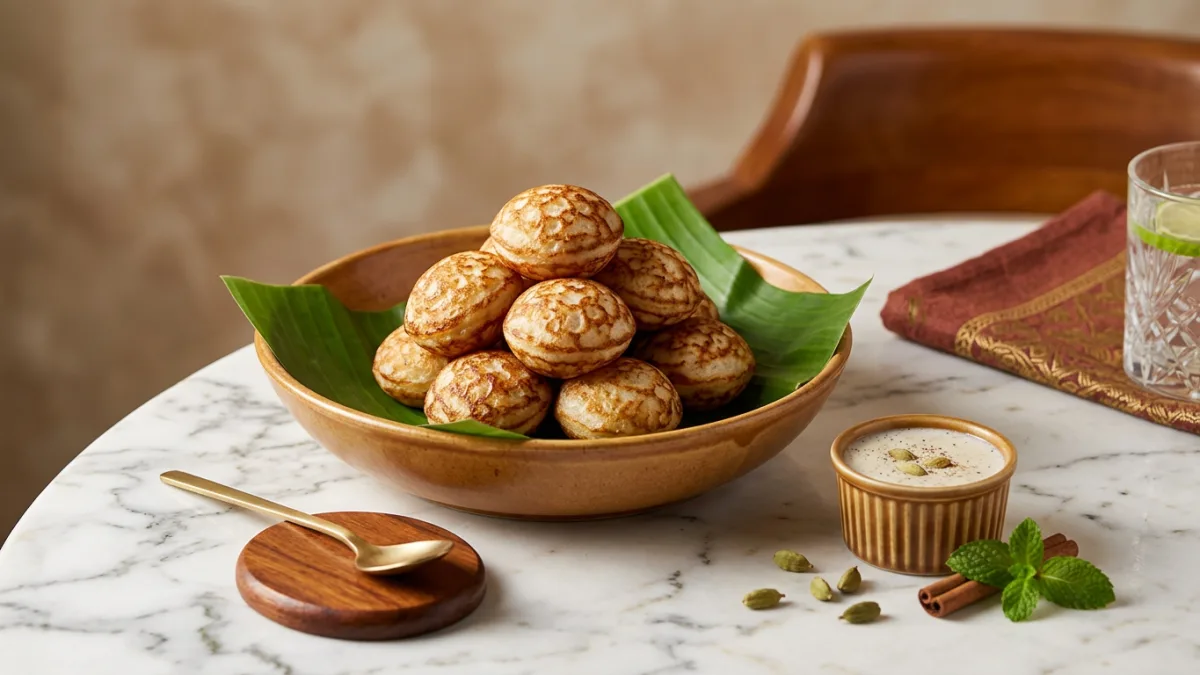
Vitumbua vya Mchele
These pillowy, lightly fermented rice-flour pancakes are a treasured morning tradition across Zanzibar's coastal markets, eaten warm from a special dimpled iron pan called a karai la vitumbua. The overnight fermentation gives the batter a subtle tang and remarkable airiness, while coconut milk lends a quiet sweetness and golden, lacey edges. Each small round is crisp on the outside and cloud-soft within — perfect alongside spiced chai.
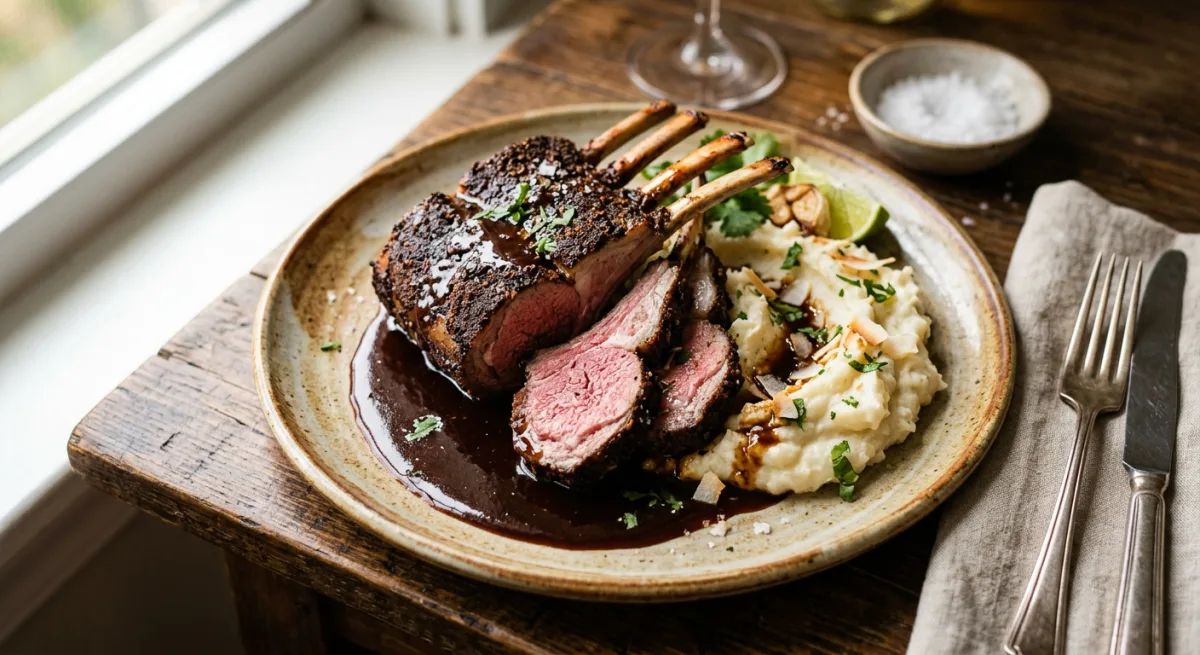
Zanzibari Spice Rubbed Lamb Rack na Mchuzi wa Tamarind
A French-trimmed rack of lamb, its bones gleaming and its crust black with toasted Zanzibar spices, reverse-seared to a perfect blushing rose and rested until the juices redistribute into every fibre. A luxurious tamarind reduction — deep, sweet-sour, and glossy as lacquer — anchors the plate alongside cloud-soft coconut-mashed cassava enriched with roasted garlic butter. This is where the spice archipelago meets the modern kitchen.
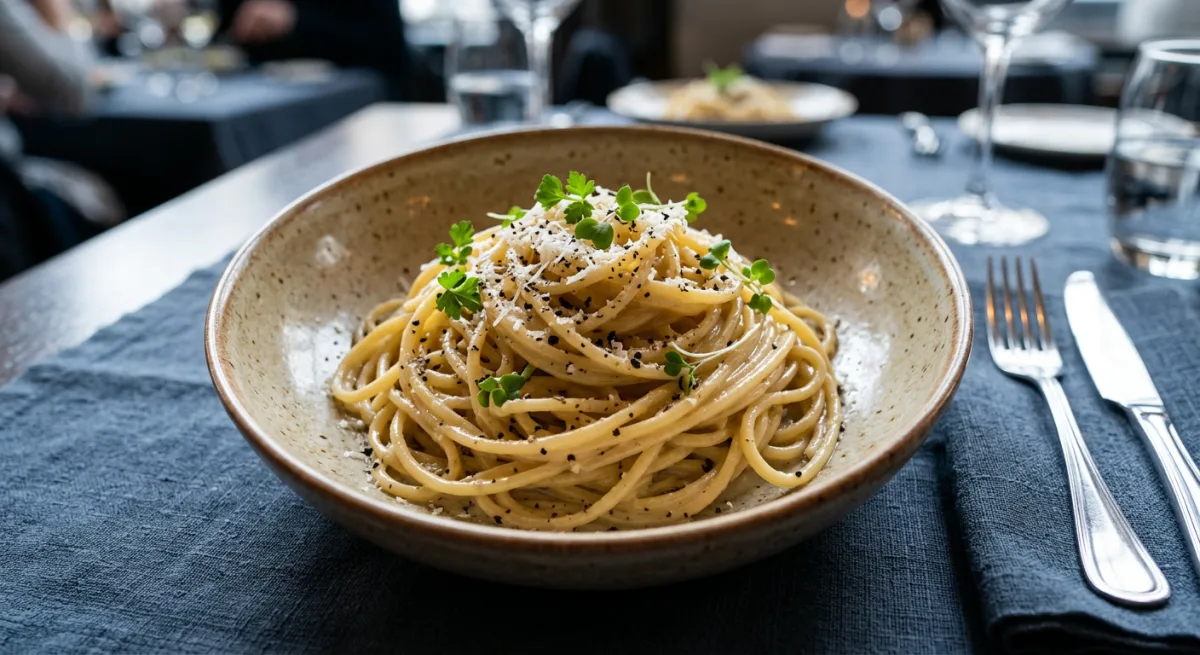
Cacio e Pepe
Rome's most deceptively simple masterpiece — just three ingredients transformed through technique into a glossy, intensely savory pasta that coats every strand with a silky emulsion of aged Pecorino Romano and assertive black pepper. The magic lies entirely in the method: a controlled marriage of starchy pasta water and finely grated cheese that creates a sauce with no cream, no butter, no shortcuts. Served tableside in a warm bowl, this is minimalism elevated to high art.
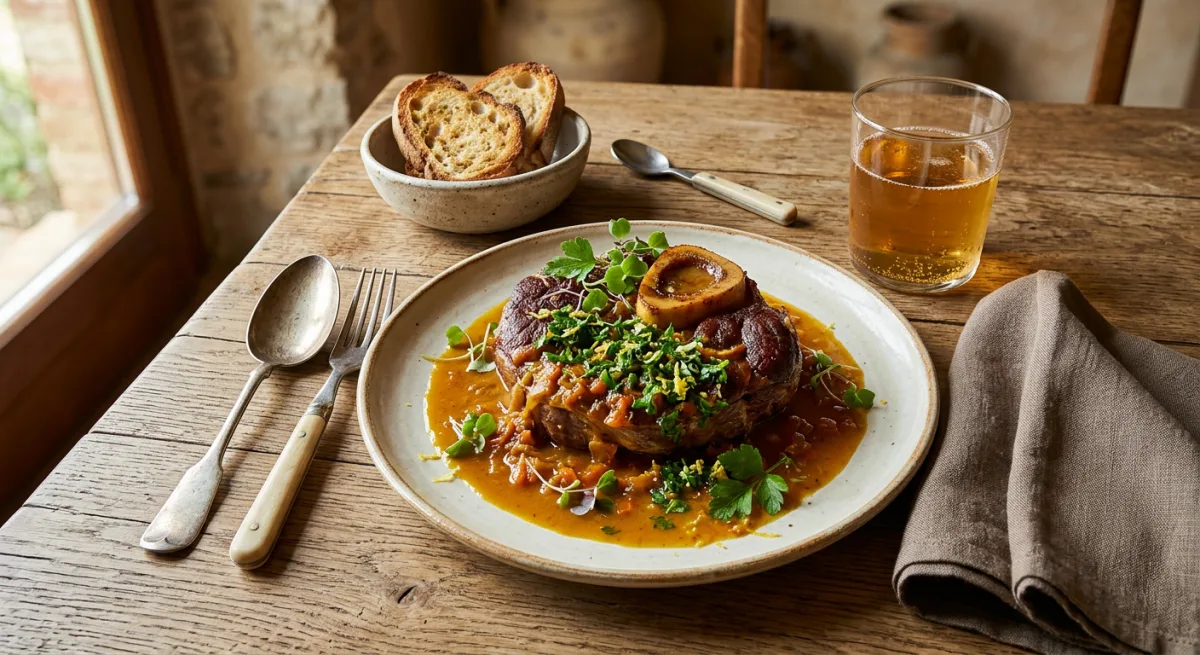
Ossobuco alla Milanese con Gremolata
Milan's crown jewel of braised cookery — thick cross-cut milk-fed veal shanks seared to a mahogany crust, then surrendered to a slow braise in dry white wine, saffron-gilded veal broth, and a fragrant soffritto of celery, carrot, and onion until the collagen dissolves into a lustrous, clinging glacé that coats the back of a spoon. The marrow in the bone's cavity — la midolla — is the chef's reward, scooped with a narrow spoon and spread on toasted bread. A final scattering of bright gremolata cuts through the richness with the snap of lemon zest, raw garlic, and flat-leaf parsley.
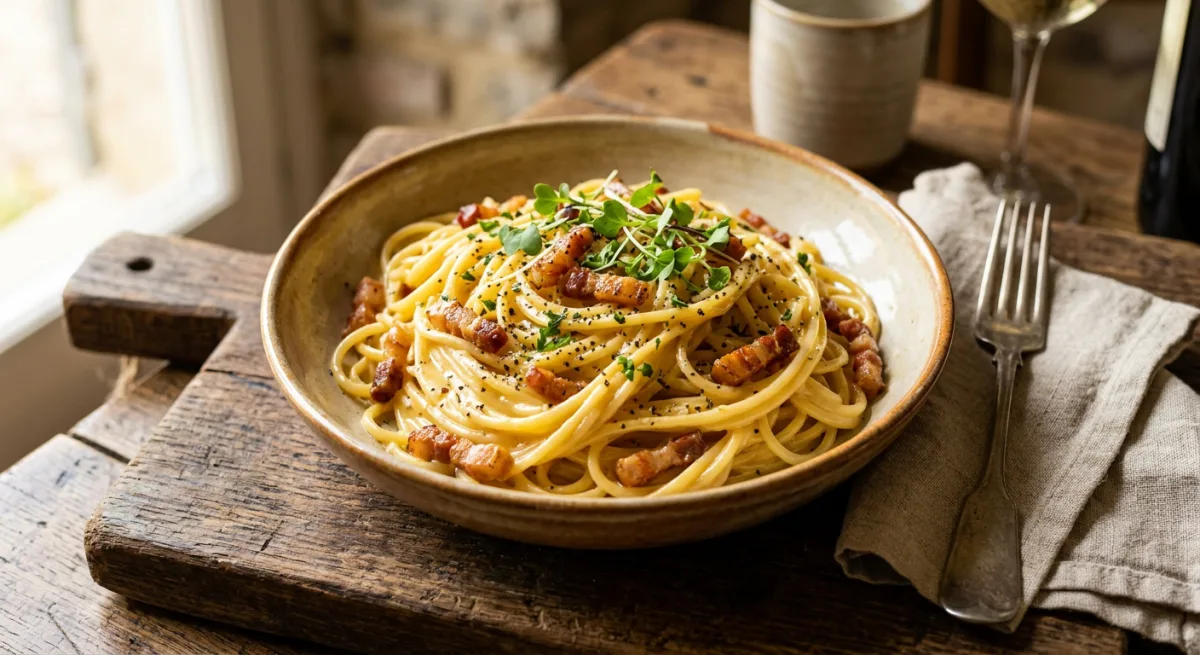
Spaghetti alla Carbonara
Rome's most debated and beloved pasta — silken strands of spaghetti coated in an impossibly creamy sauce made with no cream whatsoever, relying instead on the precise emulsification of eggs, aged Pecorino Romano, and starchy pasta water. The sauce clings to every strand, punctuated by amber shards of crispy guanciale and a fierce grinding of black pepper that defines the dish.
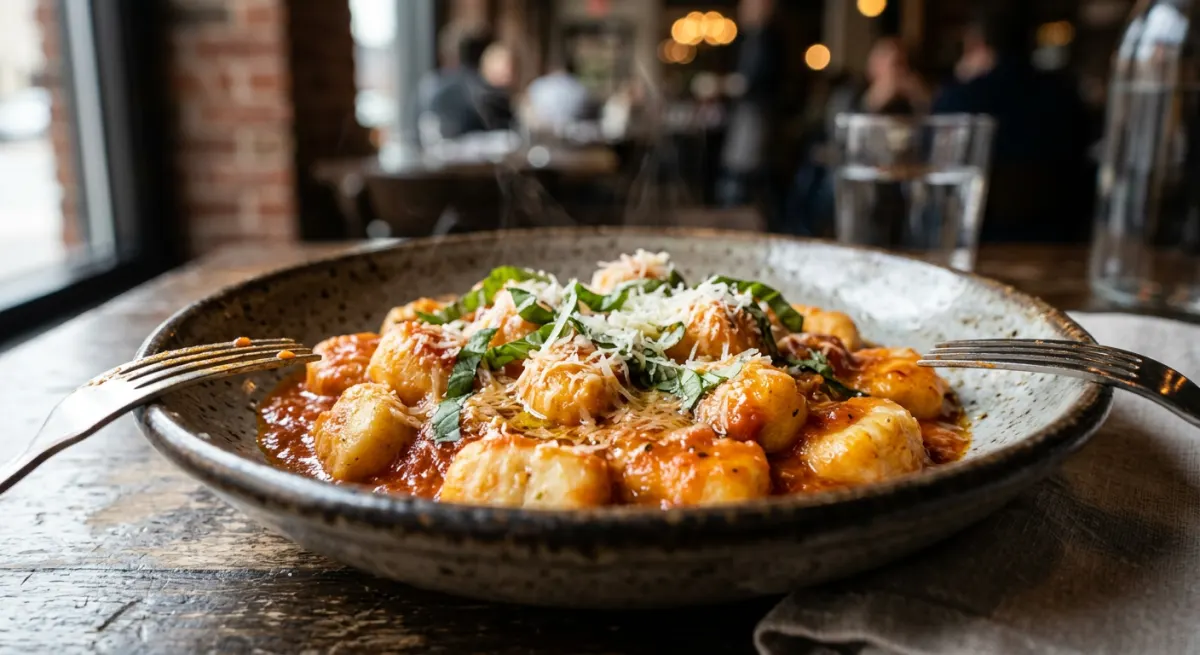
Gnocchi al Pomodoro
Ethereally light potato dumplings — made from floury Russet potatoes, a measured hand of flour, and a single egg yolk — that cook in seconds and dissolve on the tongue, nothing like the dense, gummy gnocchi of shortcuts and shortcuts alone. Dressed in a slow-simmered, velvety San Marzano tomato sauce infused with sweet basil and finished with Parmigiano-Reggiano, this is Italian comfort cooking in its purest form.
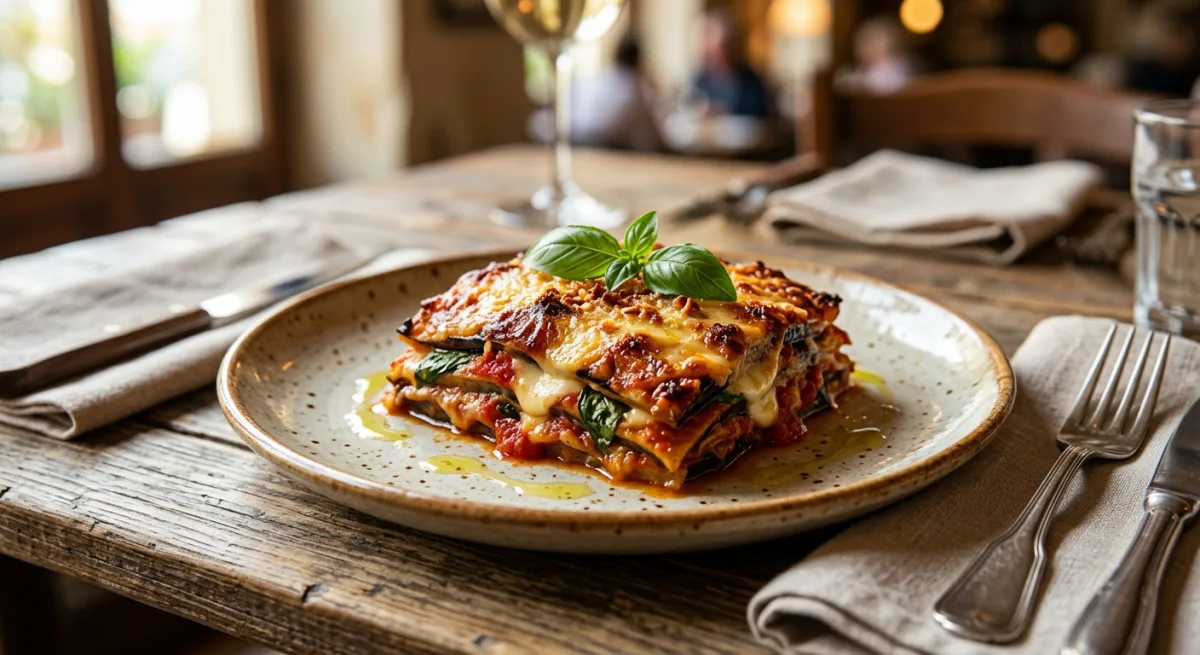
Melanzane alla Parmigiana
A deeply soulful Neapolitan classic where slow-roasted eggplant slices are layered with a long-simmered San Marzano tomato sauce, torn fresh mozzarella, fragrant whole basil leaves, and an extravagant snowfall of Parmigiano-Reggiano, then baked until the layers meld into a silky, quivering timbale that holds its shape on the plate. Each forkful delivers velvet-soft eggplant, tangy-sweet sauce, and the pull of melted cheese in perfect harmony. This is Italian comfort food at its most elemental and satisfying.
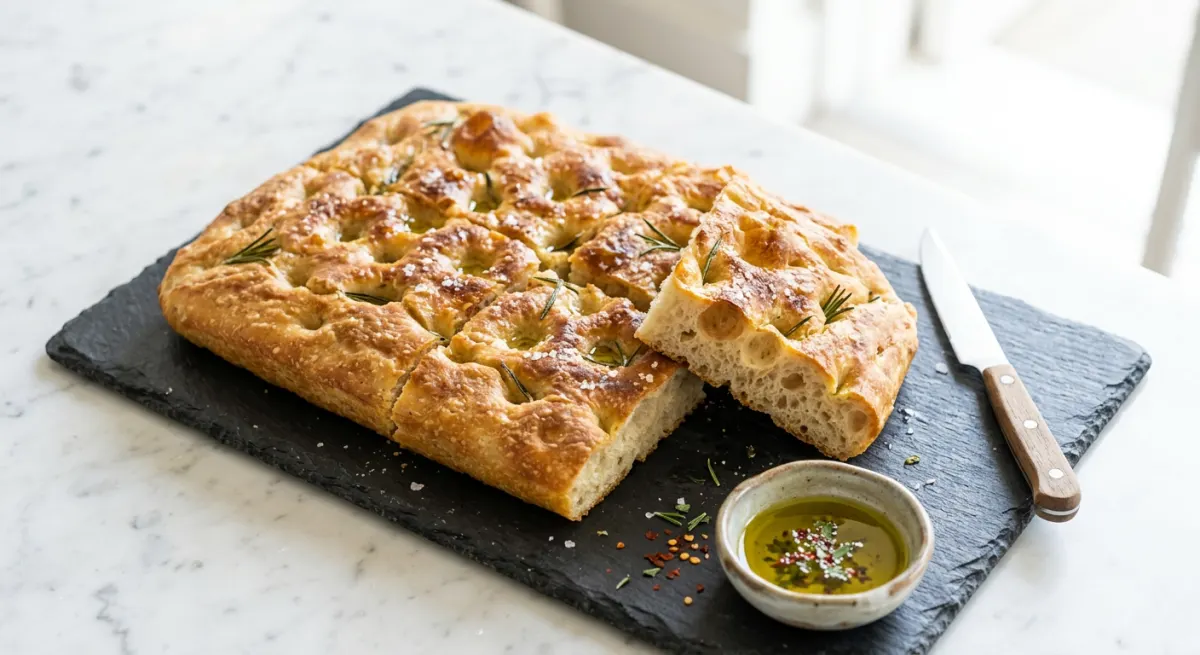
Focaccia Genovese
The Ligurian original — a thick, dimpled flatbread with a lacy, golden crust that shatters on the outside and yields to an impossibly tender, pillowy, olive-oil-soaked interior. Made using a slack, high-hydration dough stretched onto an oil-pooling sheet pan, then pressed with all ten fingers to create the characteristic craters that trap herb-scented brine before baking.
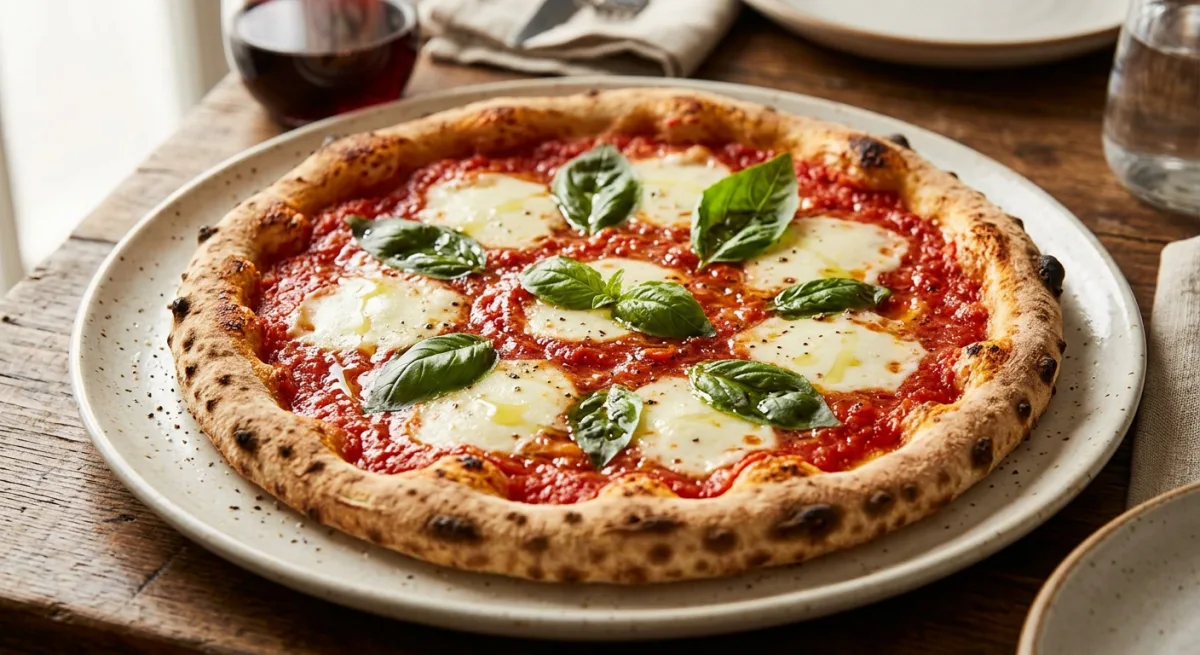
Pizza Margherita
Naples' most iconic export — a thin, blistered crust charred at the edges and pillowy at the center, smothered in sweet San Marzano tomato sauce and crowned with torn fior di latte mozzarella that melts into creamy pools. Finished tableside with fresh basil and a flourish of cold-pressed extra virgin olive oil, this is simplicity elevated to an art form.
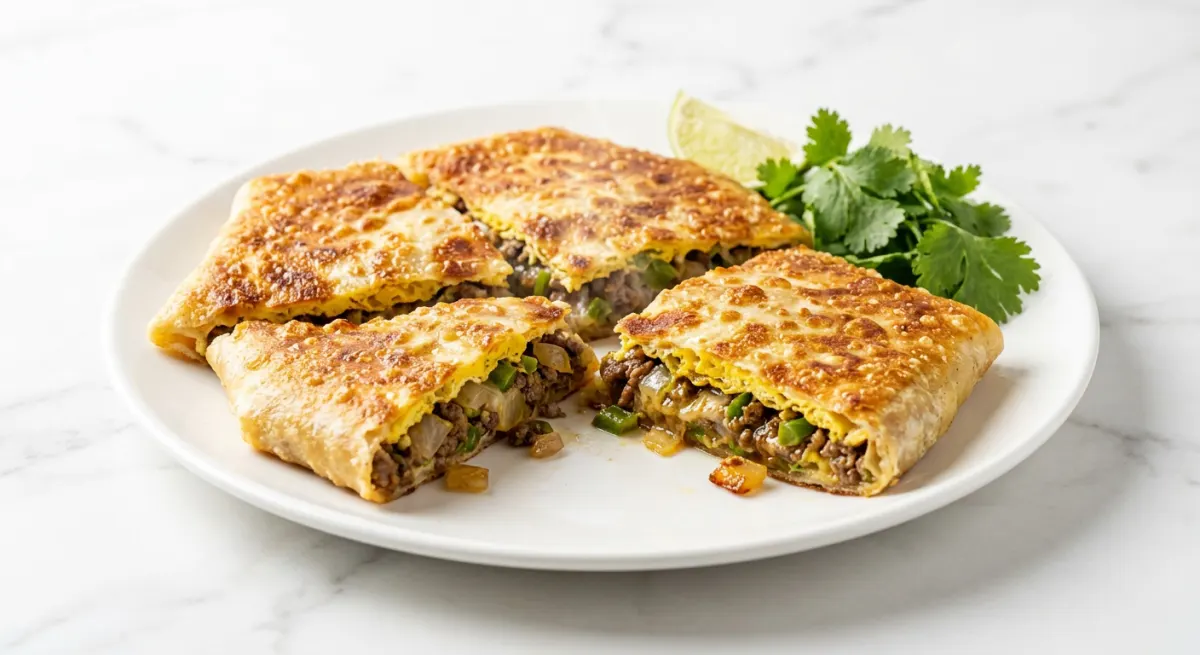
Zanzibar Pizza
Zanzibar's most theatrical street-food spectacle — paper-thin dough is stretched almost translucent, then laden with spiced minced beef, fresh egg, diced vegetables, and a scatter of cheese before being folded into a sealed envelope and fried in a pool of butter until the exterior turns a burnished, crackling gold while the interior steams into a layered, molten filling. Each pizza is made to order, cut open tableside with scissors in a burst of steam, revealing the glistening, egg-rich interior that runs together with the spiced meat and caramelised onions. Eaten standing, wrapped in newsprint, at Forodhani Night Market — or plated beautifully as the showpiece it deserves to be.